Mostrando entradas con la etiqueta Lilliaceae. Mostrar todas las entradas

lunes, 19 de diciembre de 2011

Winter Blooms

The male flowers of the algarrobo (Ceratonia siliqua).

A common shrub in the area. 

The capsules of the above mentioned plant with seeds still inside. 

I am really upset because I can't figure out what this beautiful vine is!!!


Hmm...many stamens and stigmas.....four petals.....I don't know where this floral formula gets me!!!

This is Allium chamaemoly and I feel pretty lucky to have seen it because it is tiny and just barely sticks out of the ground. It flowers from November to March and I only saw two individuals!

Yes, these are as sharp as they look and they are all over the place! This prickly guy is Aspargus horridus, a quite appropriate name if I do say so myself. 

domingo, 18 de diciembre de 2011

Sóller

Some huge and gorgeous mushrooms we ran into on the side of the road.  

Check out those lamellae!

Probably some introduced Aloe vera or Aloe arborescens growing out of a stone wall. 

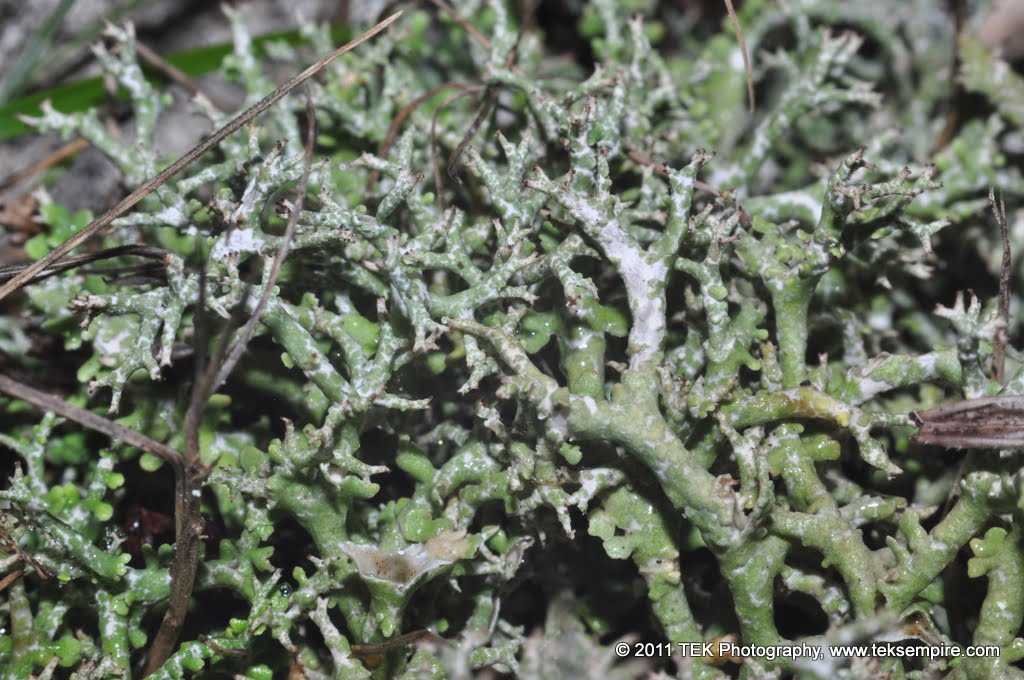
A nice close-up of the terricolous lichen Cladonia rangiformis. 

Some kind of brown rotter on an olive tree. 

Cubical brown rot. 


miércoles, 20 de julio de 2011

Prarie Creek Redwoods State Park

I went camping over the weekend at Prarie Creek Redwoods State Park and I saw many species I have seen many times and also species I have never seen before, which is always a pleasant surprise.


The thalloid liverwort Conocephalum conicum


This is an old decaying fruiting body of Phaeolus schweinitzii that I found at the base of a Douglas Fir (Psuedotsuga menziesii). This fungus is a root/butt rotter and this tree will most likely fall over in the next few years depending on how extensive the rot is.

I was ecstatic when I found this rare species! This saprotrophic, achlorophyllous flower is called Indian Pipe (Monotropa uniflora)because it looks somewhat like a pipe. There were 3 patches of them along the trail I was hiking.

The beautiful California Rhododendron (Rhododendron macrophyllum)


Cladonia bellidiflora


A wild hazelnut fruit


Some gorgeous orange slash rotters with a poroid hymneophore that I saw in Fern Canyon


My old friend Fomitopsis pinicola. I was very ashamed of myself because I couldn't remember the name of this VERY common slash rotter for the longest time.


Peltigera neopolydactyla


Lobaria pulmonaria


Another saprotrophic, achlorophyllous flower I have never seen before called False Pink Asparagus (Hermitomes congestum)


I decided that this is the Coast Lily (Lilium maritimum)even though there are many other species of Lilium that look quite similar

I also finally noticed for the first time that there are tons of Western Hemlock (Tsuga heterophylla) growing in the park. I had only noticed them before as scrubby little sunlight deprived trees in the Arcata Community Forest.

sábado, 14 de mayo de 2011

Skunk Cabbage Trail

Yesterday I went for an 8 mile hike on the Skunk Cabbage Trail. It was an excellent hike because it covers three different habitats: Sitka Spruce (Picea sitchensis)and Red Alder(Alnus rubra)dominated forest to Coast Redwood (Sequoia sempervirens)forest and then finally coastal scrub. With all of these habitats, I saw a wide diversity of bryophytes, a few lichens, many mushrooms, and some beautiful angiosperms.


This snag is covered with the Icicle Moss (Isothecium myosuroides)


This is definitely some kind of Polytrichopsidan moss, maybe even a Polytrichum sp.


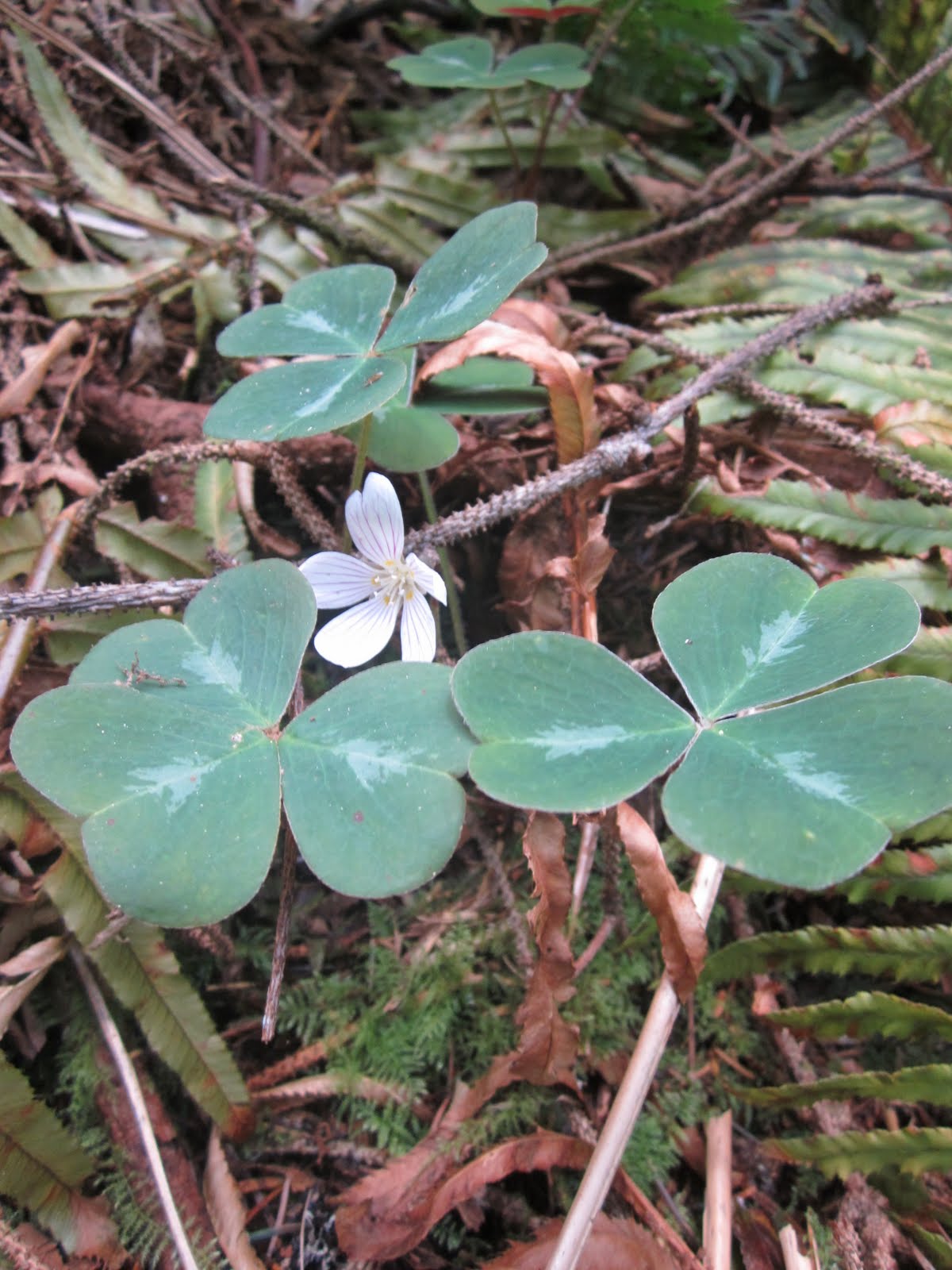
Redwood Sorrel(Oxalis oregana)carpets the floor of the Redwood dominated forest


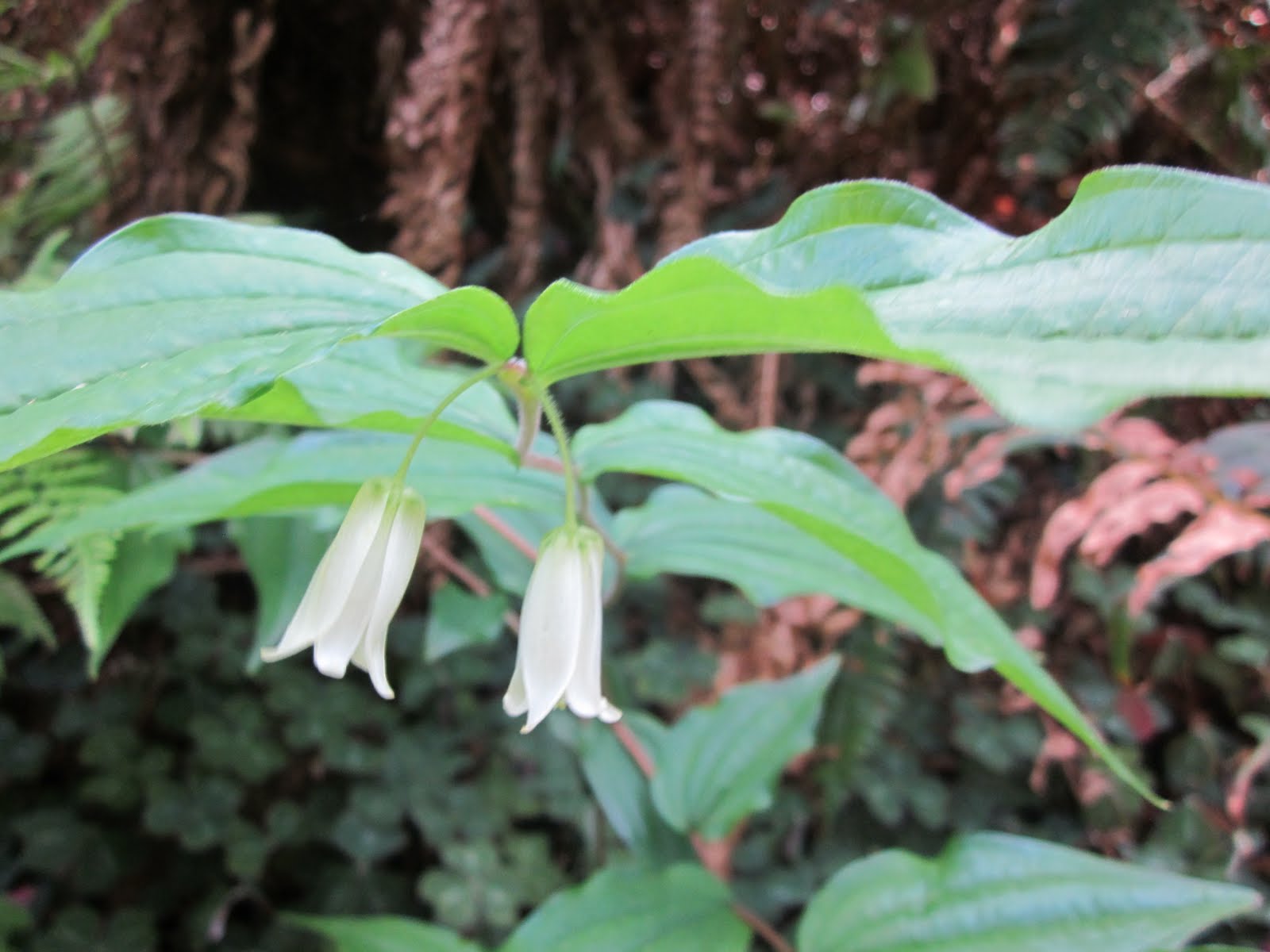
Fairy Bells (Disporum smithii)


I believe that these are Turkey Tail mushrooms (Trametes versicolor) but it has been a while since Forest Pathology. They had a poroid hymenophore


This picture is a bit blurry but it works. This is Bleeding Heart (Dicentra formosa)and I was excited to see it because I had never seen it on a hike before


False Lily of the Valley (Maianthemum dilatatum)


These mushrooms are probably Armillaria sp because they were on an old Alder snag. I didn't check for rhizomorphs


Rhizomnium glabrescens


Buckiella undulatum


This lichen, Peltigera membranecea, was all over the trees and on the ground, but usually growing on some moss. Looks like it is growing on Kindbergia praelonga


Frullania sp on Alder


This is the first time I have seen Conocephalum conicum in the wild even though it is really common


Plagiomnium insigne was growing very thickly on the sides of the path


This is Wild Cucumber (Marah oreganus) and unfortunately the spiky cucumber fruits are not edible. It also makes the giant taproot seen below


We stumbled upon this huge root (I have actually seen a bigger one before on the HSU campus). We cut into it and it was quite soft and actually smelled really good


Kindbergia praelonga was very abundant in the coastal and Sitka Spruce/Alder dominated areas

Disclaimer: I did some pretty lazy botanizing and identified many of these species based on other pictures and books I have without doing any keying. So there is a good chance some of the species could be wrong.

viernes, 29 de abril de 2011

Azalea Reserve

It is a beautiful sunny spring day here on the North Coast so I decided to go to the Azalea Reserve in McKinleyville to check on the azaleas and other angiosperms that are showing their colors.


This is Salmonberry (Rubus spectabilis)which makes a delicious edible salmon-colored berry in the fall


Here is a pretty Trillium (Trillium ovatum most likely)


The Wester Azalea (Rhododendron occidentale)


Twinberry (Lonicera involucrata)makes two dark purple berries later in the year that are subtended by a bright red bract. Twinberry is part of the Caprifoliaceae.